Polarområdena är särskilt känsliga för klimatförändringar och uppvärmningen i Arktis sker mer än dubbelt så snabbt som på resten av jorden. Effekterna av uppvärmningen är tydliga, exempelvis sker en dramatisk minskning av havsisens yta och tjocklek.
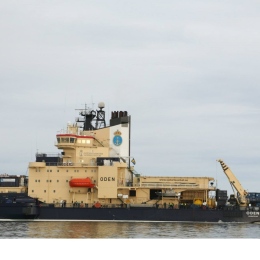
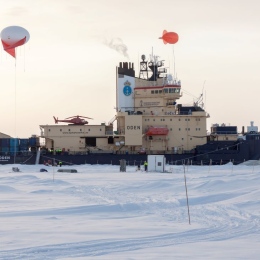
Projektet ARTofMELT (Atmospheric rivers and the onset of sea ice melt 2023) är centrerat kring en expedition ombord på den svenska forskningsisbrytaren Oden till centrala Arktiska oceanen i maj och juni 2023, ledd av professor Michael Tjernström (Meteorologiska institutionen) och universitetslektor Paul Zieger (Institutionen för miljövetenskap).
MOCCHA (Microbiology-Ocean-Cloud-Coupling – in the High Arctic) – ARCTIC OCEAN 2018 var en internationell och tvärvetenskaplig forskningsexpedition till den centrala arktiska havsbassängen under sommaren 2018.